Views: 171 Author: steelmama Publish Time: 2026-05-14 Origin: Gutter Machine
When it comes to modern roofing and drainage solutions, precision is everything. For large commercial buildings or high-end residential projects, standard half-round gutters often fall short. This is where the box gutter machine becomes an indispensable asset. But what exactly is this equipment, and how does it transform flat metal coils into seamless, heavy-duty gutters?
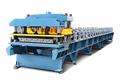
A box gutter machine is a specialized piece of roll forming equipment designed to fabricate box gutters—also known as square gutters or parallel gutters. Unlike traditional gutters that have a curved profile, box gutters feature a rectangular or trapezoidal shape with sharp 90-degree bends. These gutters are typically installed between two parallel roof slopes or along a parapet wall.
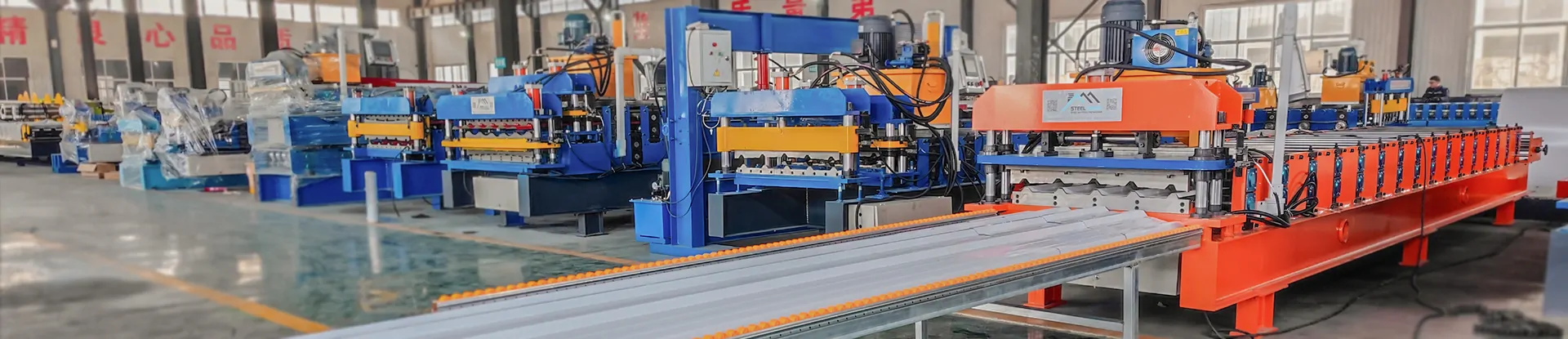
The machine itself is portable, allowing contractors to bring manufacturing directly to the job site. It works by feeding a flat coil of metal (such as galvanized steel, aluminum, or copper) through a series of rolling dies. Each set of dies gradually bends the metal until the final box gutter profile is achieved.
To understand how it works, you need to know its core parts:
Decoiler: Holds the metal coil and feeds it into the machine.
Roll Forming Stations: A sequence of 12 to 20 rollers that progressively shape the metal.
Cutting System: A hydraulic or electric shear that cuts the finished gutter to precise lengths.
Control Panel: Allows operators to adjust length, speed, and profile settings.
The operation of a box gutter machine is both efficient and straightforward. Here’s a step-by-step breakdown:
The operator loads a coil of sheet metal onto the decoiler. Common materials include 24-gauge or 26-gauge steel, with widths ranging from 12 to 24 inches depending on the desired gutter depth and bottom width.
The metal strip is fed into the entry guide of the box gutter machine. As it passes through each roll forming station, the metal is bent incrementally. The first few rollers create the initial bends, while the middle stages form the vertical legs and flat bottom. The final rollers ensure sharp, clean 90-degree corners.
Once the continuous box gutter reaches a pre-set length (measured by an encoder wheel), the cutting system activates automatically. The shear cuts the gutter cleanly without warping the profile.
The result is a seamless box gutter with consistent dimensions. No welding or additional folding is required. The gutter is now ready for installation with hangers, brackets, and downspouts.
Investing in or renting a box gutter machine offers several SEO-worthy benefits that your customers will be searching for:
Seamless Construction: No leaks at joints because the gutter is formed in one continuous piece.
Custom Lengths: Produce gutters from 10 to 50 feet or more, eliminating waste.
High Capacity: Box gutters handle large volumes of rainwater, making them ideal for flat roofs and commercial buildings.
On-Demand Production: Save storage space and reduce transportation costs by making gutters at the job site.
Material Versatility: Switch coils to produce copper, stainless steel, or painted aluminum box gutters.
Box gutters produced by these machines are commonly found in:
Warehouses and industrial buildings
Shopping centers and strip malls
Multi-story apartment complexes
Historic building restorations
Green roof drainage systems
When selecting a box gutter machine, consider the following factors:
Profile Compatibility: Does it produce standard sizes like 5x5 inches, 6x6 inches, or 7x4 inches?
Material Thickness: Can it handle 20-gauge to 26-gauge metal?
Portability: Look for a machine with wheels and a compact frame for job site mobility.
Production Speed: High-quality machines operate at 30–40 feet per minute.
Safety Features: Automatic shutoffs and emergency brakes are essential.
A box gutter machine is a game-changer for roofing professionals who demand efficiency, precision, and durability. By understanding what it is and how it works, you can offer seamless box gutters that outperform traditional systems in heavy rain conditions. Whether you’re bidding on a commercial contract or upgrading your workshop, this roll forming machine delivers consistent, high-volume results.
Ready to invest in a box gutter machine? Contact us today for a free quote and technical consultation. We carry a full range of portable and stationary models to match your production needs.
You can use aluminum, steel, copper, or galvalume. Each metal works for different jobs. Aluminum is light and easy to shape. Steel is strong. Copper looks nice and lasts long. Galvalume resists rust.
Yes, most machines let you adjust the size. You can set the width and depth for each job. This helps you match gutters to any building.
You should always follow safety rules. Wear gloves and safety glasses. Keep loose clothing away from moving parts. If you are new, ask for help or training before you start.