Views: 136 Author: steelmama Publish Time: 2026-09-09 Origin: Self lock Roof Sheet Roll Forming Machine
In the rapidly evolving world of construction and metal fabrication, efficiency and precision are non-negotiable. For manufacturers and contractors seeking a competitive edge, the Self Lock Roof Panel Sheet Roll Forming Machine has emerged as a game-changing solution. This advanced equipment is not just a piece of machinery; it is an investment in quality, speed, and long-term profitability.

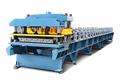
A Self Lock Roof Panel Sheet Roll Forming Machine is a specialized production system designed to transform flat metal coils into interlocking roof panels with a built-in mechanical locking mechanism. Unlike traditional roofing systems that require exposed fasteners or complex manual crimping, this machine produces panels that snap or press together seamlessly. The result is a watertight, weather-resistant roof that is both aesthetically pleasing and structurally sound.
The term "self-lock" refers to the ingenious profile design that allows adjacent panels to connect without the need for additional sealing materials or exposed screws. This feature is particularly valuable for industrial warehouses, agricultural buildings, and modern commercial complexes where longevity and low maintenance are paramount.
Why are industry leaders switching to this technology? The answer lies in the outstanding features of the Self Lock Roof Panel Sheet Roll Forming Machine:
High-Speed Production: Capable of running at speeds of 15-25 meters per minute, this machine significantly reduces lead times for large-scale projects.
Precision Roll Forming: With hardened steel rollers and a robust gearbox, the machine ensures consistent profile accuracy across thousands of linear meters.
Automatic Hydraulic Cutting: Equipped with a post-cutting or pre-cutting system, the Self Lock Roof Panel Sheet Roll Forming Machine delivers clean, burr-free cuts to exact specifications.
User-Friendly PLC Control: An intelligent control system allows operators to adjust length, quantity, and speed with minimal training, reducing human error.
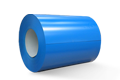
Material Versatility: This machine handles galvanized steel, aluminum, and pre-painted coils with thicknesses ranging from 0.4mm to 0.8mm.

If you are in the roofing industry, upgrading to a Self Lock Roof Panel Sheet Roll Forming Machine offers tangible ROI benefits:
Traditional roofs often fail at screw points. The self-locking mechanism creates a floating connection that accommodates thermal expansion and contraction, preventing leaks and extending roof life.
Panels produced by a Self Lock Roof Panel Sheet Roll Forming Machine are lightweight yet strong. Installers can snap them together quickly, cutting labor costs by up to 30% compared to standing seam systems.
Because the Self Lock Roof Panel Sheet Roll Forming Machine is computer-controlled, you can program exact lengths, minimizing scrap and maximizing yield from every coil.
The clean, hidden joint design gives any building a modern, sleek finish. This is a major selling point for architects and developers who value both function and form.
When sourcing a Self Lock Roof Panel Sheet Roll Forming Machine, evaluate these critical parameters:
Specification | Standard Range |
|---|---|
Material Thickness | 0.4 – 0.8 mm |
Material Width | 600 – 1250 mm |
Roller Stations | 18 – 24 stages |
Main Motor Power | 5.5 – 7.5 kW |
Hydraulic Power | 4.0 – 5.5 kW |
Forming Speed | 12 – 18 m/min (working) |
Control System | PLC with touch screen |
Many buyers ask about the difference between a standard roll former and a Self Lock Roof Panel Sheet Roll Forming Machine. The distinction is clear:
Standard Roll Former: Produces basic corrugated or trapezoidal sheets that require screw fixation. Labor-intensive and prone to rust around holes.
Self Lock Machine: Produces interlocking panels with hidden clips. Offers superior wind uplift resistance (tested up to 150 mph) and a cleaner roofline.
For contractors who service hurricane-prone regions or high-wind areas, the Self Lock Roof Panel Sheet Roll Forming Machine is not a luxury—it is a necessity.

This versatile equipment supports a wide array of applications:
Agricultural Sheds & Barns
Airplane Hangars
Sporting Arenas
Warehouse Distribution Centers
Residential Luxury Homes
Solar Panel Mounting Structures
To ensure you select the best machine for your production line, consider these factors:
Coil Width Compatibility: Verify that the machine can handle the standard coil widths available in your region.
Roller Material: Opt for GCr15 bearing steel with chrome plating for maximum durability.
After-Sales Support: Ensure the manufacturer provides installation guidance, spare parts, and remote troubleshooting.
Customization: Some suppliers offer custom profile designs. Don’t hesitate to ask if they can adapt the Self Lock Roof Panel Sheet Roll Forming Machine to your specific panel depth and width.

To keep your Self Lock Roof Panel Sheet Roll Forming Machine operating at peak performance:
Lubricate all gearboxes and chains weekly.
Clean the rollers daily to remove metal dust and debris.
Calibrate the PLC cutting system every month.
Inspect hydraulic oil levels and replace filters quarterly.
As sustainability and construction efficiency become global priorities, the demand for the Self Lock Roof Panel Sheet Roll Forming Machine is skyrocketing. It reduces reliance on chemical sealants, lowers labor intensity, and delivers a finished product that outperforms conventional roofing in every metric.

Investing in a high-quality Self Lock Roof Panel Sheet Roll Forming Machine is the smartest decision for forward-thinking fabricators. Whether you are expanding your existing facility or starting a new venture, this machine guarantees consistent output, satisfied customers, and a healthier bottom line.
Contact us today for a customized quote. Our engineering team will help you configure the perfect Self Lock Roof Panel Sheet Roll Forming Machine to match your production capacity and profile requirements. We offer free sample testing, and a 12-month warranty on all core components.