Views: 241 Author: steelmama Publish Time: 2026-07-23 Origin: Ridge Cap Roll Forming Machine
In the competitive world of metal roofing, precision and speed are non-negotiable. Whether you are a seasoned contractor or a new entrant in the building materials industry, investing in the right equipment is paramount. Enter the Ridge Cap Roll Forming Machine – a specialized piece of equipment designed to produce high-quality ridge caps with unparalleled consistency. This article dives deep into the features, benefits, and technical specifications of this indispensable machine, helping you understand why it is a game-changer for your production line.

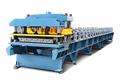
A Ridge Cap Roll Forming Machine is a highly specialized industrial device used to convert flat metal coils into precisely shaped ridge caps. These caps are essential components in roofing systems, covering the peak where two roof slopes meet. Unlike generic roll formers, this machine is engineered specifically to handle the intricate curves and angles required for a perfect ridge cap fit.
The process involves feeding a metal strip through a series of consecutive rolling dies. Each station gradually bends the material until it reaches the desired profile. The result is a durable, weather-tight cap that enhances both the aesthetic and functional integrity of any roof.

If you are still outsourcing your ridge caps, you are likely losing money and time. Owning a dedicated Steel Roof Ridge Cap Roll Forming Machine offers several compelling advantages:
Modern machines can operate at speeds of 10–15 meters per minute. This high-speed output ensures that you can fulfill large orders quickly, reducing lead times and increasing customer satisfaction.
With a built-in hydraulic shear and punching system, these machines minimize waste. The PLC control system calculates the exact length required, ensuring that every inch of the coil is utilized efficiently.
Manual bending is prone to human error. An automated color steel roof Ridge Cap panel machine guarantees that every piece meets the exact same specifications, with tolerances as tight as ±0.5mm.
Many advanced models allow for quick roll changes, enabling you to produce different ridge cap styles—from simple peak caps to more complex overlapping designs—on a single machine.

To understand what makes a machine reliable, let’s break down its core components:
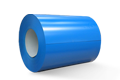
Decoiler (Uncoiler): This holds the metal coil and feeds it into the machine. A heavy-duty decoiler ensures smooth, tension-free feeding.
Feeding Guide & Leveling System: Before forming, the strip must be flattened. The pre-leveling unit corrects any coil curvature, preventing defects in the final product.
Main Roll Forming Station: This is the heart of the system. It consists of high-grade GCr15 bearing steel rolls, hardened and chromed to resist wear. The number of forming stations (typically 12–18) determines the complexity of the profile.
Hydraulic Cutting System: A post-cutting hydraulic shear ensures clean, burr-free edges. The cutting is synchronized with the forming speed for seamless operation.
PLC Control Panel: The programmable logic controller serves as the brain of the machine. It allows operators to adjust length, speed, and quantity with a user-friendly touchscreen interface.
When shopping for a metal Ridge Cap roof sheet machine, pay close attention to these critical specs:
Parameter | Typical Range |
|---|---|
Material Thickness | 0.4mm – 0.8mm (Galvanized steel, Aluminum, Copper) |
Material Width | 100mm – 600mm (depending on the model) |
Roller Material | GCr15 bearing steel with chrome plating (HRC 58–62) |
Main Motor Power | 3KW – 7.5KW |
Hydraulic Power | 4KW – 5.5KW |
Forming Speed | 8 – 15 m/min |
Control System | PLC with HMI touchscreen (e.g., Siemens or Mitsubishi) |
Understanding the workflow of a Ridge Cap Roll Forming Machine helps you appreciate its engineering. Here is a step-by-step breakdown:
Loading: The metal coil is loaded onto the decoiler.
Leveling: The strip passes through the leveling unit to remove stress.
Roll Forming: The strip moves through the rolling stations. Each station performs a incremental bend, gradually shaping the ridge cap profile.
Punching (Optional): If your design requires holes for fastening, an inline hydraulic punching unit creates them automatically.
Cutting: The PLC signals the hydraulic shear to cut the formed piece to the preset length.
Stacking: Finished pieces are ejected onto a receiving table for packaging.

The products made by a Ridge Cap Roll Forming Machine are used in various sectors:
Residential Roofing: Adding a clean, finished look to homes.
Commercial Buildings: Providing weatherproofing for flat roofs with slight slopes.
Agricultural Structures: Protecting barns and silos from water ingress.
Industrial Warehouses: Ensuring durability in large-span roofing systems.
To maximize the ROI of your Ridge Cap Roll Forming Machine, regular maintenance is crucial:
Lubrication: Apply high-temperature grease to all bearings and gears daily.
Roller Cleaning: Remove dust and metal shavings after each shift to prevent scratching.
Hydraulic Fluid Check: Monitor the oil level and replace it every 3,000 hours of operation.
PLC Calibration: Ensure the sensors are clean and the cutting length is accurate to avoid material waste.

The Ridge Cap Roll Forming Machine is more than just a piece of machinery—it is a strategic asset that drives efficiency, reduces labor costs, and enhances product quality. By integrating this equipment into your workflow, you position your business as a reliable, high-capacity manufacturer in the roofing industry.
Don't let manual processes hold you back. Invest in a state-of-the-art color steel roof Ridge Cap panel machine and watch your production capabilities soar.We are committed to providing you with the most durable, efficient, and cost-effective solutions for your metal forming needs.
Get a Free Quote Now!