Views: 91 Author: steelmama Publish Time: 2026-04-20 Origin: Highway Guardrail Machine
When it comes to road infrastructure, safety is non-negotiable. Highway guardrails play a critical role in protecting drivers and passengers from severe accidents. Behind the production of these essential safety barriers lies a powerful piece of equipment: the 2 wave and 3 wave highway guardrail roll forming machine. This advanced machinery is designed to manufacture high-quality guardrail profiles efficiently and precisely. In this article, we’ll explore the features, benefits, and applications of this versatile roll forming machine, and why it’s a must-have for guardrail manufacturers.
A 2 wave and 3 wave highway guardrail roll forming machine is a specialized production line that converts steel coils into two distinct types of guardrail profiles: the 2 wave guardrail (also known as W-beam) and the 3 wave guardrail (thrie beam). The 2 wave guardrail roll forming machine produces a profile with two corrugations, ideal for standard straight road sections, while the 3 wave guardrail roll forming machine creates a three-corrugation profile for high-risk zones like curves, bridges, and steep slopes. By combining both forming capabilities in one machine, manufacturers gain unmatched flexibility.
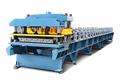
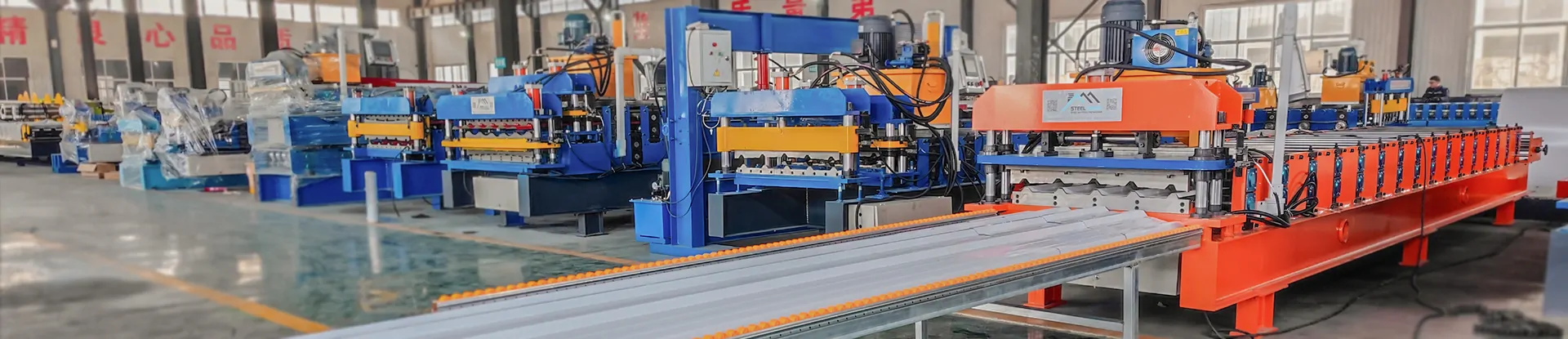
A typical highway guardrail roll forming machine consists of several core components: an uncoiler, a feeding and leveling unit, a punching and notching station, a roll forming system, a cutting device, and an output table. The process begins with a steel coil being uncoiled and fed into the leveler. Next, the guardrail roll forming machine uses progressive roller dies to gradually shape the strip into either a 2 wave or 3 wave profile. Integrated punching dies create mounting holes at precise intervals. Finally, the finished guardrail is cut to length by a hydraulic or servo-driven cutting system.
Investing in a 2 wave and 3 wave highway guardrail roll forming machine offers several distinct advantages:
You can switch between producing 2 wave guardrail and 3 wave guardrail on the same machine by adjusting roller sets or using a quick-change cassette system. This eliminates the need for two separate production lines, saving factory space and capital costs.
Manufacturing both guardrail types with one highway guardrail roll forming machine reduces equipment investment, maintenance, and labor expenses. It also streamlines inventory management.
Modern roll forming machines come with CNC control, ensuring consistent profile dimensions, accurate hole punching, and clean cuts. This precision translates into easy installation on highways.
These machines typically operate at speeds of 8–12 meters per minute, allowing mass production of 2 wave and 3 wave guardrails without compromising quality.
The 2 wave guardrail roll forming machine produces profiles widely used on highways, rural roads, and urban expressways where traffic volumes are moderate. The 3 wave guardrail roll forming machine outputs stronger, taller barriers required for high-speed highways, median barriers, bridge railings, and mountain roads. By owning a dual-purpose highway guardrail roll forming machine, manufacturers can cater to diverse projects – from standard road expansion to complex tunnel and bridge safety systems.
To keep your highway guardrail roll forming machine operating at peak efficiency:
Lubricate all roller bearings and gearboxes weekly.
Inspect the punching dies for wear every 500 hours of operation.
Calibrate the cutting length sensor monthly.
Clean the machine after each shift to remove metal shavings.
Train operators on proper switch-over procedures between 2 wave and 3 wave modes.
The 2 wave and 3 wave highway guardrail roll forming machine is an indispensable asset for any guardrail manufacturer aiming to serve road safety projects efficiently. Its dual-profile capability, high speed, and precision make it a smart investment that pays for itself within months. Whether you need to produce 2 wave guardrail for regular highways or 3 wave guardrail for high-risk zones, this versatile roll forming machine delivers consistent quality.
Ready to upgrade your production line? Contact us today for a customized quote on the 2 wave and 3 wave highway guardrail roll forming machine that matches your output requirements. Let’s build safer roads together!